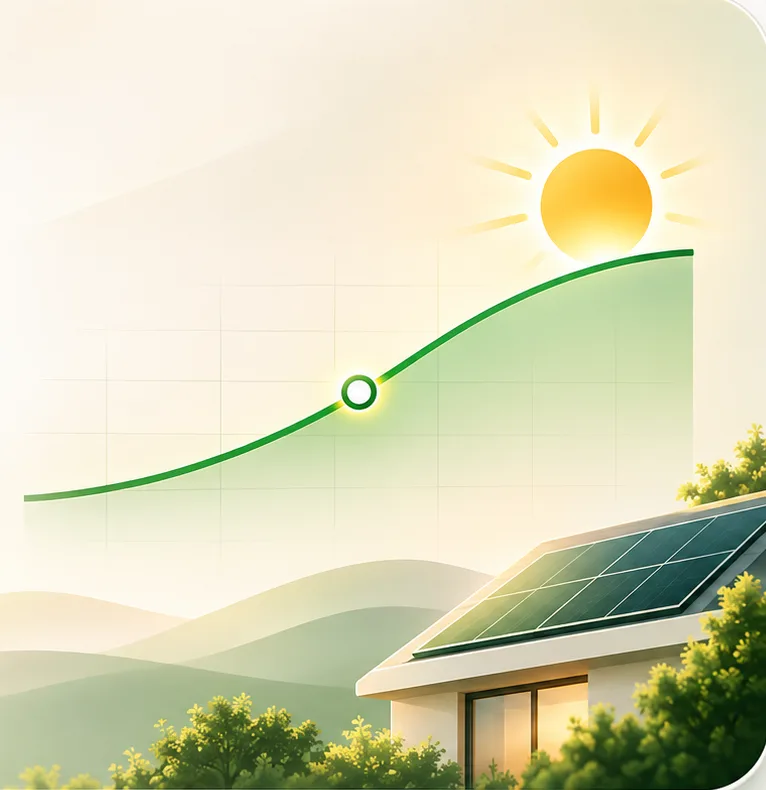
Germany set to keep fixed feed-in tariff for solar systems up to 25 kW, but coalition deal is not yet final
Energy negotiators from CDU/CSU and SPD have agreed that new photovoltaic systems of up to 25 kW should continue to receive a feed-in tariff, contrary to the government draft of July. The conservative bloc, however, makes the deal conditional on agreement on the grid package, and the target is the Bundesrat session of 18 December.
EuroEnergy Newsroom ·  Germany · 2 min read

Small photovoltaic systems of up to 25 kW, mainly those on house roofs, are set to continue receiving a feed-in tariff in Germany. According to an internal letter sent on Friday by the SPD parliamentary group’s energy spokesperson, seen by the dpa news agency and by pv magazine, energy experts from CDU/CSU and SPD have reached a technical agreement on the reform of the Renewable Energy Sources Act (EEG).
What the draft provided. The draft adopted by the government at the end of July provided that new systems below 25 kW would no longer receive permanent support from 2027: three years of reduced payments, then selling the electricity on the exchange, Der Spiegel notes. The difference between the tariff and the market price is currently borne by the federal budget.
What has changed. According to cleanthinking.de, citing Table.Briefings, the cap limiting feed-in to half of capacity would apply only to systems of 25 kWp and above, and contracts for difference would become mandatory only from 200 kW instead of 100 kW. The maize cap for biogas plants rises to 60%, biomass tenders would amount to 2,100 MW per year in 2027–2032, and the bonus for agrivoltaics and solar on peatland rises from 0.5 to 1.5 cents/kWh. For systems between 25 and 50 kW, grid operators would still have to take and market the electricity, WinFuture writes. The level and duration of the tariff for small systems are not yet known.
What remains open. CDU/CSU links the EEG to the grid package, on which there is no agreement. The main point of dispute is the so-called redispatch reservation, which would cut compensation for new plants in congested areas when the operator curtails their output; the SPD rejects it. The deputy leader of the CDU/CSU group warned that partial understandings “are subject to an agreement on the overall package”, and the economy ministry stressed the link between the two laws on Saturday, pv magazine notes.
What comes next. The coalition wants to conclude negotiations in the coming weeks in order to make the Bundesrat session of 18 December 2026. Adoption in December is also needed for state-aid approval by the European Commission.
Real-time data for the country are on the country page
More news
 10 Nov 2026
More than a third of German municipal utilities want to shut down gas grids fully or partially, VKU survey shows
 9 Nov 2026
Schleswig-Holstein approves dismantling of the Geesthacht research reactor, planned to take 17 years
 8 Nov 2026
Germany to pay €4.2 billion less for EEG renewables in 2026, thanks to high power prices
Comments
Be the first to comment.